GSMA warns mobile networks face rising climate risks
The GSMA urges regulators to collaborate with operators to protect mobile infrastructure from extreme weather, citing projected repair costs exceeding $3 billion by 2050.
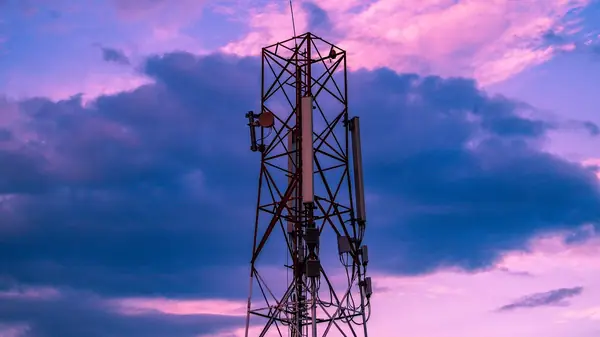
The GSMA has called for closer cooperation between governments, regulators, and mobile operators to safeguard networks against extreme weather. The organization states that severe storms and floods currently cost operators $1.7 billion annually in repairs. It projects these costs could nearly double to over $3 billion by 2050. Towers, masts, and rooftop sites are particularly vulnerable to wind and lightning, while ground-level equipment faces flooding risks. High temperatures can cause equipment overheating, and heavy rain may degrade signal strength. Coastal infrastructure is also exposed to storm surges.
The GSMA identifies electricity supply as the biggest vulnerability for telecoms networks. If power is cut, networks may go offline once backup power is exhausted. Backup duration varies by location. Under current conditions, severe storms account for $1 billion in damage, while river and coastal floods contribute $577 million and $124 million respectively. By mid-century, severe storm costs are expected to rise to about $2.37 billion, representing three-quarters of total damage. The GSMA notes that operators face barriers in assessing climate risks, including internal information gaps and conflicting regulatory frameworks. John Giusti, GSMA Foundation president, emphasized that mobile connectivity is essential infrastructure.
Sources
Every sentence of this story was checked against facts quoted from these articles. How we make the news
Spotted an error? Tell us